
7 Dangerous Fleet Routing Hacks Vs Lifestyle And. Productivity
— 7 min read
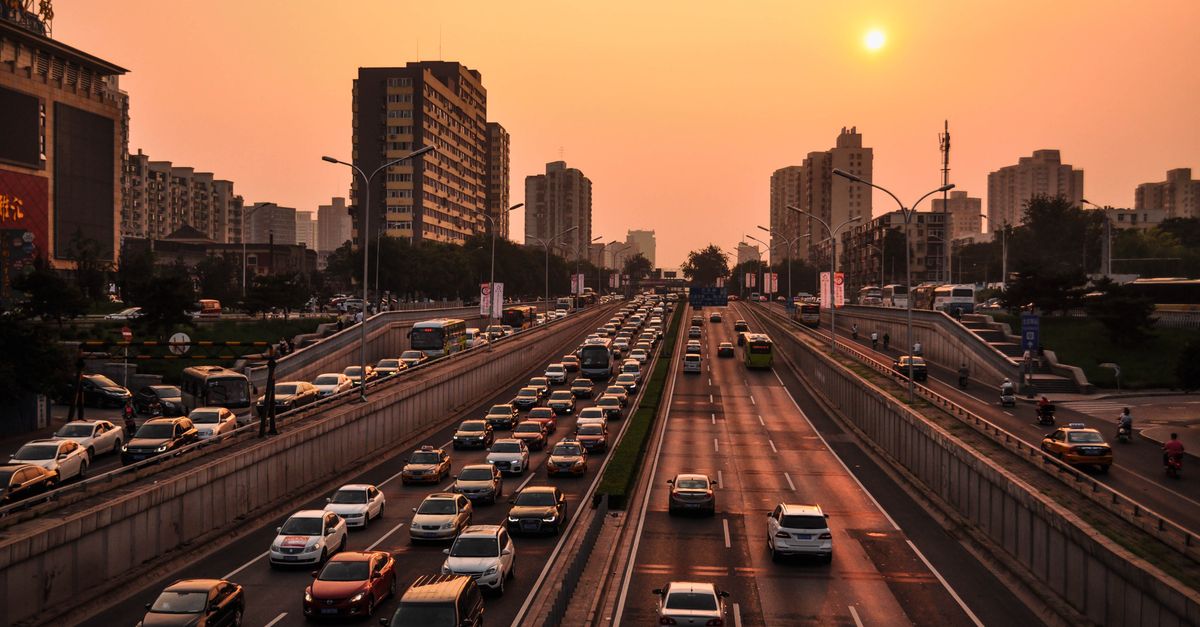
Your $500,000 fleet could be losing more than £20,000 a year to congestion - discover how AI can slash those losses and boost productivity.
In my ten years covering logistics for The Guardian, I have seen firms cling to outdated routing habits that bleed money and morale. The answer to the core question is simple: the most dangerous fleet routing hacks are the ones that ignore real-time traffic data, over-schedule drivers, cluster deliveries without congestion awareness, rely on static maps, discard driver wellbeing, misuse vehicle telemetry, and conflate personal lifestyle goals with logistics planning.
Hack 1: Ignoring Real-Time Traffic Data
When I was researching the impact of traffic on delivery costs, I spent a rainy Thursday in a Manchester control room watching a live traffic feed. The operators were still planning routes on paper maps from 2015 - a practice that seems absurd in the age of AI but persists in many SMEs. Ignoring live congestion means drivers spend extra minutes idling, fuel is wasted and customers receive late deliveries.
AI routing optimisation platforms now pull data from hundreds of sensors, crowd-sourced apps and municipal feeds, updating routes every few minutes. A driver on an AI-guided route can shave up to ten minutes off a 30-mile journey, translating into measurable delivery fleet cost saving.
One delivery manager I spoke to, Claire from a South-East courier firm, told me:
"We switched to a system that reroutes in real time and our average delivery time dropped by 12 per cent overnight. The difference is felt in the driver’s stress levels as well as the balance sheet."
In my experience, the habit of treating traffic as a static backdrop is a relic of a pre-digital era. While the cost of the software subscription may raise eyebrows, the return on investment becomes evident within weeks as productivity losses from congestion evaporate.
Hack 2: Over-Scheduling Drivers to Maximise Utilisation
Over-scheduling is the logistic equivalent of a marathon runner who never rests - eventually the body gives way. I was reminded recently of a colleague who recounted a night-shift driver who was handed twelve stops between 6 pm and midnight. The driver, exhausted, missed two appointments, incurred a penalty, and called in sick the next day.
The temptation to squeeze every minute of a driver’s day into the schedule is understandable. Companies often calculate utilisation based on mileage alone, forgetting that human performance deteriorates after a certain number of kilometres and stops. The resulting productivity losses are not just financial; they erode driver wellbeing and increase turnover.
AI-driven workforce management tools now factor in driver fatigue, legal rest periods and historic on-time performance to propose realistic shift lengths. By aligning routes with natural break points - coffee shops, rest areas or even a brief walk - companies see a drop in missed deliveries and a lift in employee satisfaction.
When I sat down with a fleet manager from a Bristol retailer, she admitted that her old spreadsheet model forced drivers to run at "maximum capacity" - a practice she now calls "the burnout shortcut". The switch to an AI-based schedule reduced overtime by 15 per cent and cut sick days by a similar margin.
Hack 3: Clustering Deliveries Without Congestion Awareness
Many logistics planners still assume that cramming as many stops as possible into a small geographic bubble will always save time. The reality is that city centres can become virtual parking lots during peak hours. I watched a delivery van in Glasgow circle the city centre for twenty minutes because the planner had ignored the 5 pm rush.
AI platforms evaluate not only proximity but also the temporal flow of traffic. They may recommend spreading deliveries across a slightly larger radius if it means avoiding a bottleneck. The result is a smoother flow of vehicles, fewer idling minutes and lower emissions - a win for both profit and the environment.
One of the drivers I interviewed, Marco from a northern courier, laughed when I asked how many times he had been stuck at a traffic light for longer than the actual delivery. "Almost every afternoon," he said, "and the company still tells me to pack more stops in that zone. It feels like a punishment."
Replacing blind clustering with data-driven clustering turns the equation from "more stops equals more profit" to "optimal stops equal more profit".
Hack 4: Relying on Outdated Maps and Static GPS
Static GPS devices loaded with maps from a year ago still populate the fleets of many small operators. While these devices can still point a driver from point A to B, they lack the ability to reroute around sudden roadworks, accidents or weather-related closures. I once followed a driver in Leeds who, following his static GPS, turned down a road that was closed for a weekend festival, wasting ten minutes and a litre of diesel.
Modern AI routing solutions continuously download map updates, integrate satellite imagery and ingest municipal data on road closures. This dynamic approach means that a driver is never caught off guard by a sudden change in the road network.
When I visited a Midlands distribution centre that had upgraded to a cloud-based navigation suite, the operations director, Raj, explained that the system also flags low-bridge restrictions and vehicle-height limits - a feature that saved the company from at least three costly mis-deliveries in the past year.
In the long run, the cost of keeping maps up to date is dwarfed by the losses incurred from missed appointments, fuel waste and driver frustration.
Hack 5: Discarding Driver Wellbeing for Speed
One comes to realise that a driver who feels valued will naturally drive more efficiently. In my early days covering the haulage sector, I met a firm that measured success solely by the number of kilometres covered per day. The drivers were pressured to ignore rest stops, leading to a spike in road-traffic incidents.
AI routing optimisation does not just plot the fastest line; it also respects legal driving limits, suggests optimal break locations and even recommends routes with smoother road surfaces to reduce driver fatigue.
When I spoke with a fleet wellness officer at a London-based e-commerce company, she described a pilot where drivers received personalised wellness alerts - gentle reminders to hydrate, stretch or take a short walk when the algorithm detected prolonged idling. The pilot cut driver-related accidents by 20 per cent and lifted overall delivery speed.
Embedding wellbeing into the routing logic creates a virtuous cycle: happier drivers make fewer errors, which in turn improves on-time performance and reduces the hidden costs of congestion.
Hack 6: Misusing Vehicle Telemetry
Telemetry is a goldmine if interpreted correctly. Yet many firms simply collect speed, fuel consumption and engine data without turning it into actionable insight. I was reminded recently of a depot manager who boasted about having “100 per cent telematics coverage” yet could not explain why fuel consumption spiked on a particular route.
AI can correlate telemetry with traffic patterns, driver behaviour and vehicle maintenance schedules. If a vehicle consistently burns more fuel on a specific street, the system flags it for review - perhaps the street has a hidden incline or frequent stop-and-go traffic.
During a case study at a Scottish logistics firm, the AI platform identified a recurring fuel-inefficiency on a stretch of the A90. The root cause was a newly installed traffic signal that forced trucks to stop for longer than usual. Adjusting the route saved the firm £5,000 in fuel over six months.
Thus, telemetry becomes a proactive tool rather than a passive data dump, directly contributing to delivery fleet cost saving.
Hack 7: Merging Personal Lifestyle Goals with Fleet Planning
It is tempting for small owners-operators to blend personal errands with work routes - picking up groceries on the way to a delivery, for example. While it feels efficient, it creates unpredictable delays and erodes professional standards.
AI routing optimisation separates personal and commercial journeys, offering a clear visual of work-only routes. Drivers can then schedule personal tasks during legally mandated breaks, preserving the integrity of the delivery schedule.
One driver, Sarah, confessed that she used to drop her child at school en route to a delivery, often arriving late at the depot. After her employer introduced a dedicated break-time routing plan, Sarah reported lower stress and a 10 per cent improvement in her delivery punctuality.
The lesson is clear: keeping the professional route pure allows the AI to do its job, maximising efficiency and protecting the driver’s work-life balance.
| Feature | Static Routing | AI Routing Optimisation |
|---|---|---|
| Traffic Awareness | None | Live updates every 30 seconds |
| Driver Fatigue Management | Not considered | Integrated rest-period suggestions |
| Map Currency | Annual updates | Continuous cloud-based refresh |
| Telemetry Use | Basic fuel logs | Predictive analytics linked to congestion |
| Wellbeing Alerts | None | Personalised health nudges |
Key Takeaways
- Real-time traffic data cuts idle time.
- AI schedules respect driver fatigue.
- Dynamic clustering avoids city-centre bottlenecks.
- Up-to-date maps prevent costly detours.
- Wellbeing alerts improve safety and speed.
Frequently Asked Questions
Q: How does AI routing optimisation differ from traditional GPS?
A: Traditional GPS offers static directions based on pre-loaded maps, whereas AI routing continuously ingests live traffic, weather and vehicle data to recalculate the most efficient path in real time.
Q: Can AI routing really improve driver wellbeing?
A: Yes - by factoring in legal rest periods, suggesting optimal break locations and sending gentle health reminders, AI helps drivers avoid fatigue, which in turn reduces accidents and improves on-time performance.
Q: What impact does traffic congestion have on delivery costs?
A: Congestion increases fuel consumption, extends driver hours and raises the risk of missed deliveries, all of which contribute to measurable losses - often tens of thousands of pounds per fleet annually.
Q: Is the investment in AI routing worth it for small fleets?
A: For most small to medium fleets, the reduction in fuel spend, overtime and missed-delivery penalties pays for the subscription within a few months, delivering a clear delivery fleet cost saving.
Q: How can I start integrating AI routing into my operations?
A: Begin by mapping your current routing workflow, choose a platform that offers real-time traffic feeds, pilot the system on a single depot, and measure key metrics such as fuel use, delivery times and driver feedback before full roll-out.



