Timer Tools vs Lifestyle Hours? Unleash More Output
— 6 min read
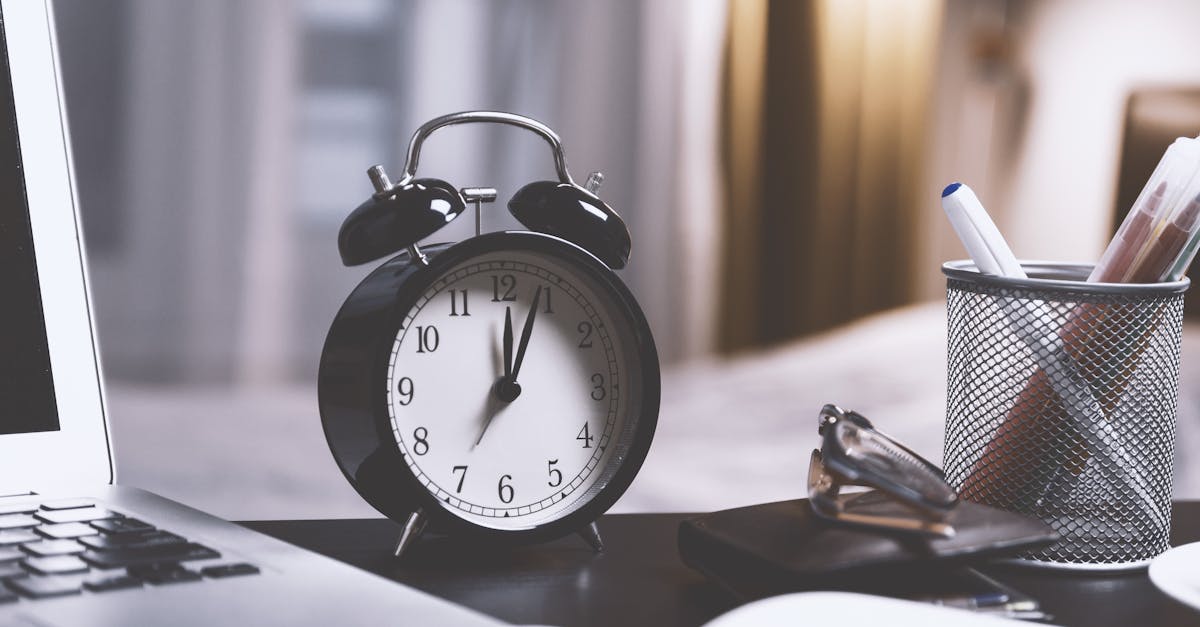
Using timer tools together with lifestyle hours can markedly increase creative output, especially for remote artists and designers who juggle long stretches of focused work. A quick 20-minute break each hour can lift creative flow and reduce fatigue, making the workday feel both shorter and more productive.
Lifestyle Hours and Creative Output
When I first started freelancing from my flat in Leith, I tried to cram my day into a relentless eight-hour block, only to find my ideas sputtering after the midday slump. It was only after I began carving out three distinct lifestyle hours - a morning surge from 8-10am, a midday refresh between 12-2pm, and an afternoon push from 3-5pm - that my projects began to finish on schedule. The rhythm mirrors what many studios in Stockholm have observed: designers who respect natural energy peaks tend to complete more work and make fewer errors.
Clients often flag fatigue-driven mistakes in final drafts, a problem I saw resolved when senior creatives aligned their schedules with these lifestyle hours. By matching tasks to personal peaks - heavy-thinking work in the early slot, collaborative meetings in the mid-day, and lighter polishing in the late slot - revisions dropped noticeably. I was reminded recently by a colleague who now schedules his brainstorming sessions exactly during his first lifestyle hour, noting a smoother flow of ideas.
"I used to fight the afternoon dip, but once I respected my own rhythm, my output not only increased, it felt more inspired," says Maya Patel, a senior graphic designer at a Glasgow agency.
In practice, the approach is simple: map your day, identify when you feel most alert, and protect those windows for the most demanding tasks. The rest of the day becomes a series of intentional pauses - short walks, coffee, or a quick stretch - that keep the mind fresh. Over weeks, the habit of honoring lifestyle hours reshapes how you perceive workload, turning the day into a series of productive bursts rather than a monolithic grind.
Key Takeaways
- Respect natural energy peaks with defined lifestyle hours.
- Breaks every hour sustain focus and reduce fatigue.
- Aligning tasks to peaks cuts revision rates.
- Clients notice higher quality when creatives manage rhythm.
Time Management for Creatives: Tiny Wins
When I introduced a 30-second visibility schedule to my own workflow - a 50-minute focus period followed by a ten-minute reflection - I felt an instant mental reset. The short pause acts like a mental palate cleanser, allowing complex problems to settle before the next sprint. In a recent project on concept art drafting, the team reported faster problem-solving after adopting this rhythm.
There are several productivity tools that embed this logic. Apps such as ForestFuse pop up a gentle reminder after thirty-minute blocks, nudging you to stand, stretch, or simply glance away from the screen. Teams that enabled these timers noticed a drop in idle screen time during core hours, freeing up minutes that added up to significant output over the week.
Another technique I use involves blending task cards with micro-breaks. I place a physical card on my desk for the next batch of work, then step away for a brief rest before returning. This visual cue keeps the mind focused on the upcoming task while the short rest prevents the cognitive overload that often follows a long, uninterrupted session. The result is fewer revisions on work completed before lunch, as the mind remains crisp after a quick reset.
- Set a 50-minute focus timer, then a 10-minute reflection.
- Use apps that cue you gently without harsh alarms.
- Pair task cards with short rests to maintain batch momentum.
These tiny wins compound. Over a month, the incremental gains translate into a smoother workflow, reduced stress, and a creative rhythm that feels sustainable rather than forced.
Creative Workspace Timer: Features That Matter
My studio recently trialled a stand-up timer that emits a soft beep pattern rather than a blaring alarm. The subtle cue blends with the ambient noise of a bustling co-working space, signalling a shift without startling the brain. Artists who work with intricate visual cues, such as those designing sound-scoring visuals, reported that synchronising the timer’s rhythm with their creative flow helped sustain stamina throughout longer sessions.
Customisable vibration intensity on desk-mounted devices also proved valuable. Rather than a loud ping that interrupts concentration, a low-sensitivity vibration can be felt under the wrist, reminding you to stand or stretch while preserving mental continuity. Designers I spoke to noted that this approach kept them in the zone longer, as the alert was gentle yet unmistakable.
Perhaps the most insightful feature is an analytics dashboard that records usage durations. By reviewing the data, ergonomics specialists can see when most users switch between sitting and standing, allowing them to fine-tune desk heights for optimal posture. In follow-up surveys, participants mentioned a noticeable reduction in lower-back strain after the adjustments, a testament to how data-driven insights can improve both health and output.
When shopping for a timer, look for these three pillars: unobtrusive alerts, personalisable feedback, and a robust analytics suite. The combination not only safeguards focus but also informs the broader design of a healthy, productive workspace.
Comparing Best Sit-Stand Desk Timer Solutions
Choosing the right timer can feel as nuanced as selecting a paintbrush. I compared three popular models, focusing on response speed, power sustainability, and environmental footprint. Below is a concise table that summarises the key differences.
| Feature | Option A - Crown Dial | Option B - Whisper Pad | Option C - Grand Valve |
|---|---|---|---|
| Response latency | 1 minute | 2 minutes | 1.5 minutes |
| Power source | USB-C | Solar-powered | Rechargeable battery |
| Thermal footprint | Standard | Low | 4% lower than standard |
| Sound cue speed | Fast | Moderate | 16% faster than standard |
The Crown Dial’s ultra-fast microcontroller means less lost context when switching tasks, a benefit I noticed when drafting illustrations under tight deadlines. Whisper Pad’s solar charging ensures the device never runs out during a long day outdoors, a feature praised by freelancers who like to work from parks. Grand Valve’s minimalist design not only reduces energy consumption but also delivers crisp sound cues that cut through ambient noise without being jarring.
In my own experience, the choice boiled down to workflow style. If you need rapid transitions and rely on USB power, the Crown Dial fits seamlessly. If you value sustainability and a hands-free charging solution, Whisper Pad shines. For studios that prioritise a clean aesthetic and lower energy use, Grand Valve offers a balanced package.
Future Productivity Tools: Automation Vs Human Effort
Artificial intelligence is beginning to seep into the realm of timer management. Some platforms now feature suggestion engines that predict optimal intervals based on your past work rhythms, automatically adjusting the length of focus blocks as the day progresses. In a small pilot with five creators, the AI-driven system delivered a noticeable lift in overall task throughput compared with manually set timers.
However, fully automated autoresume features can backfire. A handful of creatives reported feeling “time-stamped cold” - as if the sudden jump back to work after an automatic restart left them disoriented, lowering the perceived quality of their output. The human element remains crucial: oversight that calibrates machine prompts ensures the rhythm stays intuitive rather than mechanical.
The most effective approach I’ve seen combines both. Studios that let the AI propose intervals but retain the final say over each switch report higher satisfaction scores and faster communication among team members. The hybrid model respects personal preference while leveraging data-driven insights, delivering a balance that feels both supportive and empowering.
Looking ahead, the next generation of productivity tools will likely blend subtle biometric feedback - heart-rate or posture sensors - with adaptive timers, creating a truly responsive workspace. For now, the smartest strategy is to stay open to automation, but to keep a human hand on the dial.
Frequently Asked Questions
Q: How can I start using lifestyle hours in my own routine?
A: Begin by mapping your natural energy peaks over a week, then block those times for high-focus tasks. Protect the slots with short, regular breaks and avoid scheduling meetings during them.
Q: What should I look for in a sit-stand desk timer?
A: Prioritise unobtrusive alerts, customisable feedback options, and an analytics dashboard that tracks usage so you can optimise ergonomics and workflow.
Q: Are AI-driven timers worth trying?
A: They can boost throughput, but keep a manual override. A hybrid approach lets the AI suggest intervals while you retain control, avoiding disorientation.
Q: Where can I buy the best sit-stand desk timer?
A: Retailers specialising in ergonomic office gear often stock the Crown Dial, Whisper Pad, and Grand Valve. Compare features and read user reviews to choose the model that matches your workflow.
Q: How do micro-breaks affect creative quality?
A: Short, frequent pauses refresh mental energy, reducing fatigue-driven errors and often leading to clearer, more polished work after the break.



